
One Nation Reggae Festival 2026 | Artist Spotlight
When discussing reggae music in Sierra Leone, the names of Amara Kabbah and Wesley Benjamin stand out among the artists contributing to the country’s reggae tradition. Like their counterparts in the Caribbean, Sierra Leonean reggae musicians draw on the genre’s capacity to communicate social messages, express spirituality and connect music with cultural identity.
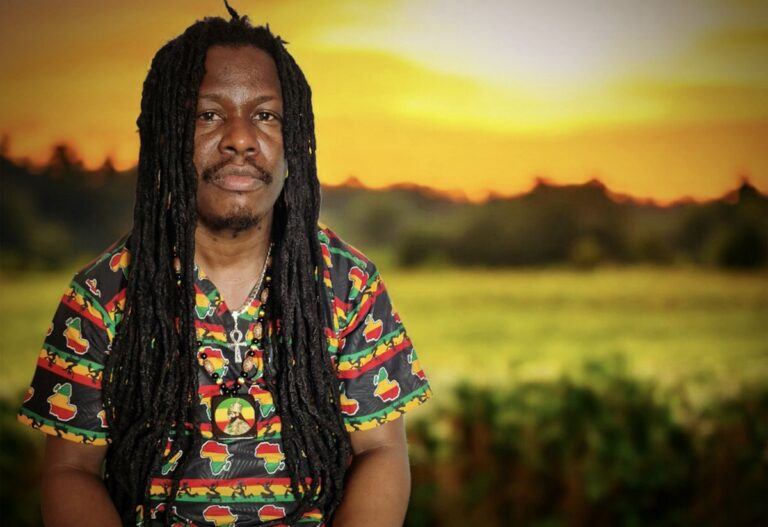
Wesley Benjamin is among the Sierra Leonean artists building a musical journey around that tradition. With a career that began in Sierra Leone, continued in The Gambia and has since reached the international stage, Benjamin represents a generation of musicians carrying the country’s reggae sound to audiences beyond its borders.
His work has attracted the attention of Reality Shock Records, a United Kingdom-based reggae label that released his single What a Shame in October 2025. In March 2026, he followed it with Sierra Leone, bringing the name of his home country into his growing recorded catalogue.
But for Benjamin, the opportunity to perform at the One Nation Reggae Festival in Freetown this November means much more than another appearance on an international festival stage. It is an opportunity to return home after years of pursuing reggae music abroad and share his journey with the people and country that shaped him.
Speaking about his inclusion in the festival’s 2026 lineup, Benjamin described the moment as a dream come true.
“I felt glad, proud and honoured to be going home to perform in front of my people. It is like a dream come true as a reggae artist born and raised in Freetown, Sierra Leone,” he said.
“After being out in the world doing reggae music for so long, coming home to perform for my people is a blessing. I give thanks for this calling and for this great opportunity. I am ready and willing to share positive vibrations with my people, with a humble heart, because this is a spiritual journey. It means a lot to me.”
His words capture the personal significance of the festival, which will bring him back to the city where his musical journey began.
From Sierra Leone to The Gambia
Benjamin began his musical journey at an early age in Sierra Leone, where he developed his sound before relocating to The Gambia to pursue his career.
However, his experience in the music industry stretches back well before his recent international releases. Benjamin says he began working with different reggae artists during his early years in Sierra Leone, gaining experience through collaborations and performances that helped shape his musical identity.
One of the groups he worked with was The Blessed Sons, a trio that participated in a global anti-corruption musical campaign. The group was featured as Sierra Leonean ambassadors for the Fair Play anti-corruption youth voices initiative, a global music competition organised in partnership between Jeunesses Musicales International and the World Bank Institution.
Benjamin also recalls performing alongside established Sierra Leonean reggae musicians, including the Refugee All Stars, Jahman and Pastor George Buannie.
Reflecting on the journey, he said he had spent almost 20 years building his experience in the reggae fraternity.
“It is a long walk in my journey, and I am proud of my experiences. It has widened my experience as a reggae artist. Against the odds, I have kept the energy alive with positive vibrations until today. I am thankful and grateful, and I am still learning day by day,” he said.
His account highlights the importance of local musical networks in developing artists before they gain access to international recording opportunities.
In The Gambia, Benjamin became the frontman of the Phoenix Reggae Band, an experience that formed an important part of his musical development. Working as a band’s lead vocalist offered opportunities to strengthen his stage presence, interpret songs for live audiences and develop the performance skills required to sustain a career in music.
His journey from Sierra Leone to The Gambia illustrates the cross-border nature of the reggae industry in West Africa. Like many African musicians, Benjamin pursued opportunities beyond his home country, building professional relationships and gaining experience through regional performance networks.
For Benjamin, the journey eventually opened the door to a recording partnership with an international reggae label.
A recording partnership with Reality Shock Records
Benjamin’s association with Reality Shock Records marked an important step in bringing his music to a wider audience.
The United Kingdom-based label, working with producer Kris Kemist, released What a Shame on 21 October 2025. The single introduced Benjamin’s vocals to a production built around a roots reggae rhythm and conscious lyrical expression, according to the label’s release notes.
The recording also featured an international group of musicians. Jamaican saxophonist Dean Fraser appeared on the accompanying version of the track, while the production credits included contributions from musicians on drums, bass, guitar, keyboards and brass.
The collaboration placed a Sierra Leonean vocalist within an international recording environment drawing on reggae’s established musical traditions. It also demonstrated how contemporary recording partnerships can connect artists from different countries through a shared musical language.
For an artist whose career developed through years of work and collaboration, the partnership represented another step in a journey that began in Sierra Leone and expanded across borders.
Bringing Sierra Leone into his music
In March 2026, Benjamin released Sierra Leone through Reality Shock Records. The single appeared in the label’s catalogue and was also listed on the music platform Shazam among his releases.
The title places his home country at the centre of the recording’s identity, giving the release particular relevance as audiences consider Sierra Leone’s presence in international reggae.
A limited-edition, hand-cut seven-inch vinyl edition of Sierra Leone was also announced alongside the digital release, extending the single’s availability into a physical format associated with reggae’s longstanding sound-system and record-collecting culture.
For Sierra Leonean musicians working internationally, such releases offer opportunities to bring their national identity into wider musical conversations. Benjamin’s work demonstrates one way artists can maintain a connection to home while developing their careers through international partnerships.
Why reggae remains central to his journey
Roots reggae has long provided artists with a musical framework for exploring social realities, spirituality, identity and community. Its characteristic rhythms and emphasis on lyrical expression have influenced musicians far beyond Jamaica, helping the genre become a global form of cultural communication.
For artists working outside the Caribbean, reggae also creates opportunities to bring local experiences into a musical tradition with an international audience.
Benjamin’s recorded work, described by Reality Shock Records as roots reggae with conscious lyrics, places him within this broader musical landscape. His experiences working with Sierra Leonean musicians, performing in The Gambia and recording with a United Kingdom-based label demonstrate the geographical reach a career can acquire through live performance and international collaboration.
His description of reggae as a spiritual journey also provides insight into the personal meaning he attaches to the genre. For Benjamin, the music represents more than a professional pursuit. It is a calling through which he hopes to communicate positive messages and connect with audiences.
That perspective helps explain why returning to Freetown carries such significance for him. After years of developing his career away from home, the opportunity to perform before Sierra Leonean audiences represents a chance to reconnect with the community from which his journey began.
Wesley Benjamin on the significance of One Nation Reggae Festival
For Benjamin, the One Nation Reggae Festival is an opportunity to celebrate both Sierra Leonean talent and the cultural connections linking Africa with the Caribbean.
He welcomed the festival’s organisers and paid tribute to Sierra Leone’s Minister of Tourism and Cultural Affairs, Nabeela Farida Tunis, for her role in bringing the event to the country.
“Big up the minister, big up Empress Nabeela Tunis for bringing such a great event to Sierra Leone,” he said.
Benjamin believes the festival creates opportunities for artists at home and in the diaspora while encouraging audiences to engage with the deeper messages carried by reggae.
“It is a great opportunity for both those at home and in the diaspora, as it sparks consciousness in the hearts and minds. I pray it continues for many years to come,” he said.
His comments reflect the festival’s wider ambition to create a meeting point for music, cultural heritage and creative exchange. By bringing international performers together with Sierra Leonean artists, the event provides a platform for local musicians to share their work while connecting with a broader network of performers and audiences.
For Benjamin, whose career has taken him from Freetown to opportunities abroad, the festival brings those two parts of his journey together.
Sierra Leonean artists and the future of reggae
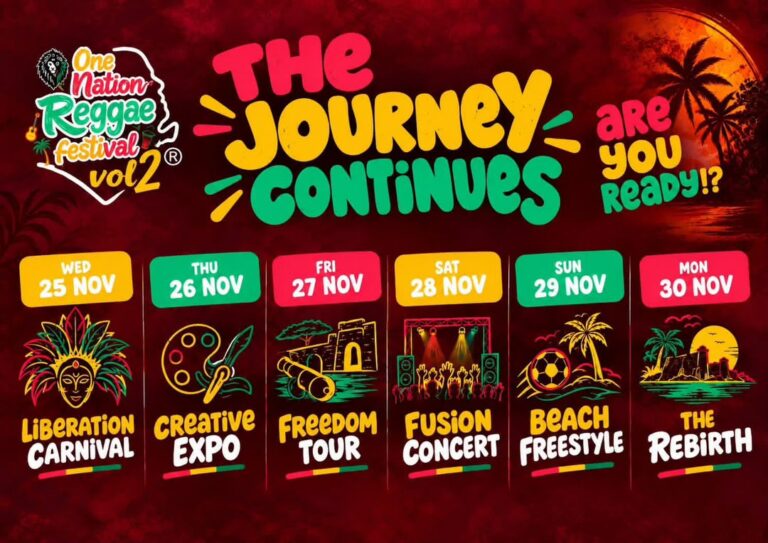
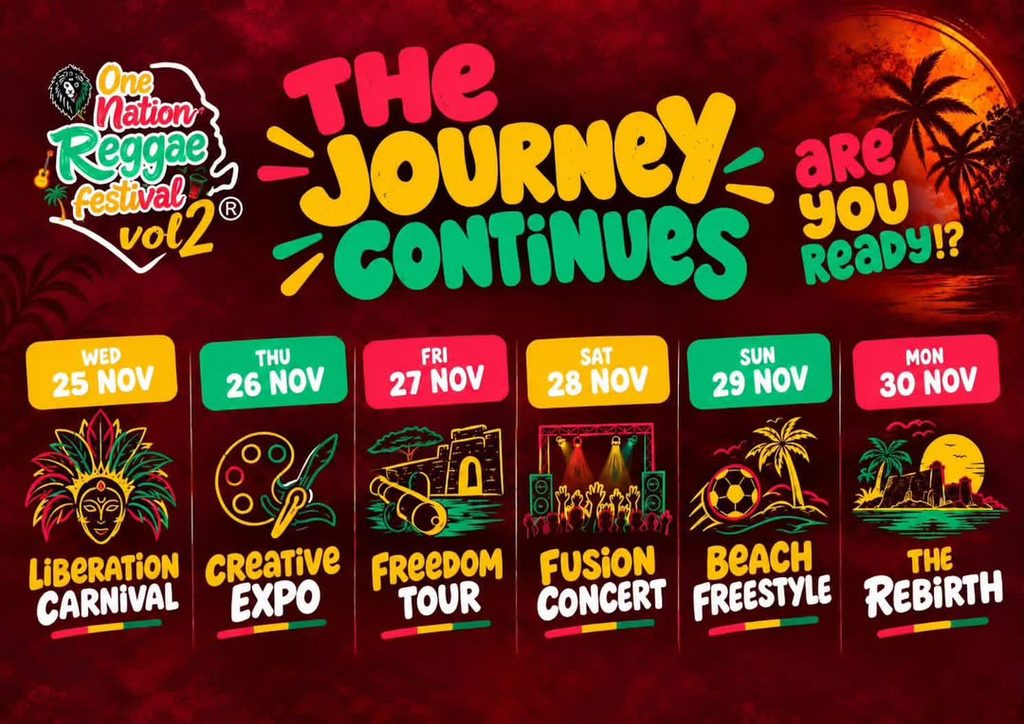
The One Nation Reggae Festival is scheduled to return to Freetown from 25 to 30 November 2026 for its second edition.
The festival brings together reggae music, cultural heritage and activities intended to strengthen historical and contemporary connections between Sierra Leone and the Caribbean.
Its international lineup offers an opportunity to celebrate established reggae performers while recognising the contributions of Sierra Leonean musicians to the country’s own cultural landscape.
Benjamin’s inclusion is particularly significant because his story is rooted in the local music scene. His experiences with The Blessed Sons, his collaborations with established Sierra Leonean musicians, his work with the Phoenix Reggae Band in The Gambia and his subsequent international recording releases demonstrate the different stages through which an artist’s career can develop.
His journey also underscores the importance of opportunities that connect homegrown talent with international audiences, producers and recording labels.
As Sierra Leone continues to develop its creative industries, festivals and international collaborations can help create greater visibility for musicians while encouraging new generations to pursue careers in music.
For Benjamin, the immediate priority is returning to Freetown to share his music with his people.
After almost two decades in the reggae fraternity, he sees the opportunity as both a professional milestone and a personal blessing.
As he prepares for the One Nation Reggae Festival, his message remains rooted in gratitude, humility and the positive vibrations he hopes to share with audiences.
For a Sierra Leonean artist who has spent years building his career beyond his birthplace, performing at home is more than a festival appearance. It is a return to the people, experiences and musical foundations that helped shape his journey.
Wesley Benjamin is among the Sierra Leonean and international artists featured in the One Nation Reggae Festival 2026 lineup, scheduled for 25–30 November in Freetown.
Follow the One Nation Reggae Festival website for more profiles in our Meet the Stars series, celebrating the artists contributing to reggae and the enduring cultural relationship between Africa and the Caribbean.