One Nation Reggae Festival 2026 | Artist Spotlight
Reggae has always been more than a musical genre. At its most powerful, it is a vehicle for social commentary, cultural identity, spirituality and the expression of lived experiences.
Few contemporary Jamaican female artists embody that tradition quite like Queen Ifrica, the acclaimed reggae singer whose music has consistently addressed personal struggles, social challenges and the importance of cultural consciousness.
Known to fans as the “Fyah Muma,” Queen Ifrica has built a reputation as one of Jamaica’s distinctive voices in conscious reggae. Her music combines expressive vocals with lyrics that encourage reflection, challenge social attitudes and celebrate the values that shape Jamaican culture.
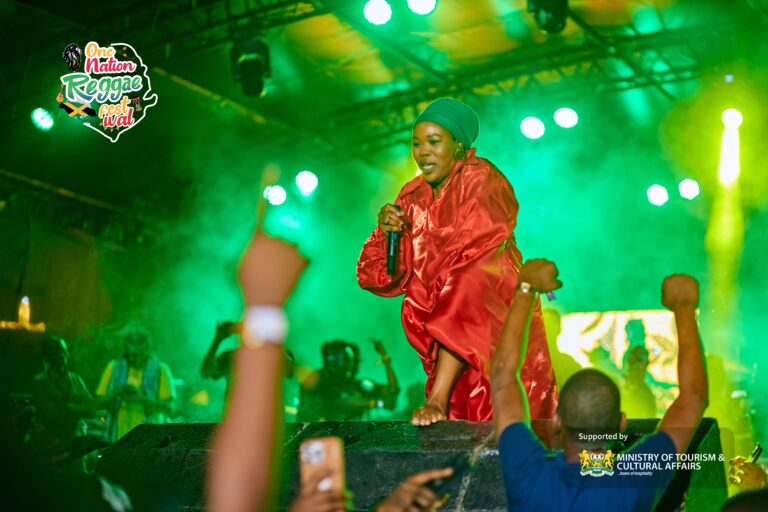
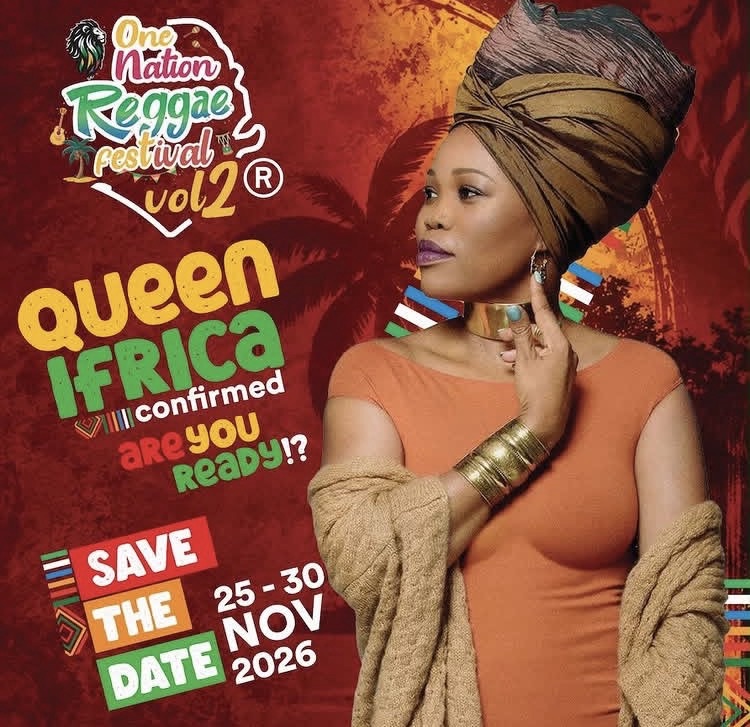
This November, she is expected to return to Freetown as part of the international lineup for the One Nation Reggae Festival, bringing her music and message back to a city where she performed during the festival’s inaugural edition in 2025. Beyond her musical performance, Queen Ifrica and her foundation are also contributing to the festival’s wider cultural programme, supporting initiatives that connect young people with their heritage through creativity, dance and artistic expression.
From Montego Bay to the reggae stage
Born Ventrice Morgan on 25 March 1975 in Montego Bay, Jamaica, Queen Ifrica grew up in a country whose musical traditions have influenced audiences across the world. She is the daughter of Derrick Morgan, the celebrated Jamaican ska singer whose contributions helped shape the development of ska, rocksteady and early reggae.
Despite her connection to a prominent musical family, Queen Ifrica developed her own artistic identity, drawing on the traditions of Jamaican music while addressing issues that reflected her personal convictions and social experiences.
Her musical journey began to gather momentum in 1995, when she won a talent competition at a local club in Montego Bay. That performance helped open the door to further opportunities and marked the beginning of a career that would eventually take her to international stages.
In 1998, she began working with Tony Rebel’s Flames Productions, an important step in her development as a recording artist. Through her association with the Flames camp, she strengthened her position in Jamaica’s reggae scene and began building an audience for music that placed substance alongside rhythm.
Her early recordings and performances established the foundations of a career that would distinguish her from artists whose music focused primarily on entertainment. Queen Ifrica increasingly became associated with conscious reggae, using her platform to explore social responsibility, relationships, identity and the challenges affecting Jamaican society.
The songs that established her reputation
Queen Ifrica gained wider recognition during the 2000s with songs including Below the Waist, Randy and Daddy. These recordings helped establish her as an artist capable of combining memorable melodies with lyrics that encouraged listeners to think beyond the music itself.
Her repertoire has covered a broad range of subjects, from intimate personal experiences to wider social concerns. Songs such as Streets Are Bloody addressed violence and its consequences, while her work more broadly has often explored questions of responsibility, family relationships and the pressures facing communities.
Her approach reflects a longstanding tradition within reggae in which artists use music to communicate ideas, challenge social behaviour and speak to the realities of everyday life.
In 2007, she released Fyah Muma, her first album, which further introduced her music to reggae audiences. She followed it with Montego Bay in 2009, a project that included songs such as Lioness on the Rise and Daddy.
Her second studio album, Climb, arrived in 2017 and topped the Billboard Reggae Albums chart, according to contemporary reporting by The Jamaica Gleaner. The achievement marked an important milestone in a career that had expanded from local performances in Montego Bay to an established international following.
A woman with a message
Queen Ifrica’s significance extends beyond her recordings. She has become known for her willingness to address subjects that can be difficult, controversial or uncomfortable, making social commentary an important part of her artistic identity.
Her music has explored violence, family relationships, women’s experiences and personal responsibility. Rather than treating reggae solely as a form of entertainment, she approaches it as an opportunity to encourage discussion and reflection.
Her Rastafarian faith also informs her artistic outlook, contributing to the spiritual and cultural dimensions of her work. These influences connect her to a wider reggae tradition in which music has been used to explore justice, African identity, social consciousness and the relationship between individuals and their communities.
She has also been involved in community outreach, including activities associated with the S-Corner community in Kingston. Her engagement with community issues reinforces the relationship between her music and the social concerns she addresses through her lyrics.
That commitment to cultural expression and community engagement also finds a practical outlet in her involvement with the One Nation Reggae Festival’s wider programme. Through partnerships connected to dance and youth creativity, Queen Ifrica is contributing to efforts that use artistic expression to encourage cultural awareness, preserve heritage and strengthen connections between generations.
Her career therefore represents an important strand of Jamaican reggae: music that entertains while encouraging audiences to examine the world around them.
Breath of Life
Her musical journey continues in 2026 with the release of Breath of Life, an album that arrived in August and marked a new chapter in her recording career.
The project demonstrates that Queen Ifrica remains active in a musical landscape that continues to evolve. Rather than relying solely on the songs that established her reputation, she continues to create and release new material for audiences at home and abroad.
The album also provides a timely reminder that reggae is a living tradition. Its artists continue to reinterpret the genre, engage with contemporary experiences and find new ways to communicate messages that remain relevant to their listeners.
For longtime fans, her catalogue offers an opportunity to revisit songs that helped establish her place in Jamaican music. For newer listeners, her more recent work provides another entry point into an artist whose career has been shaped by musical growth and a consistent commitment to conscious expression.
A return to Freetown for One Nation Reggae Festival 2026
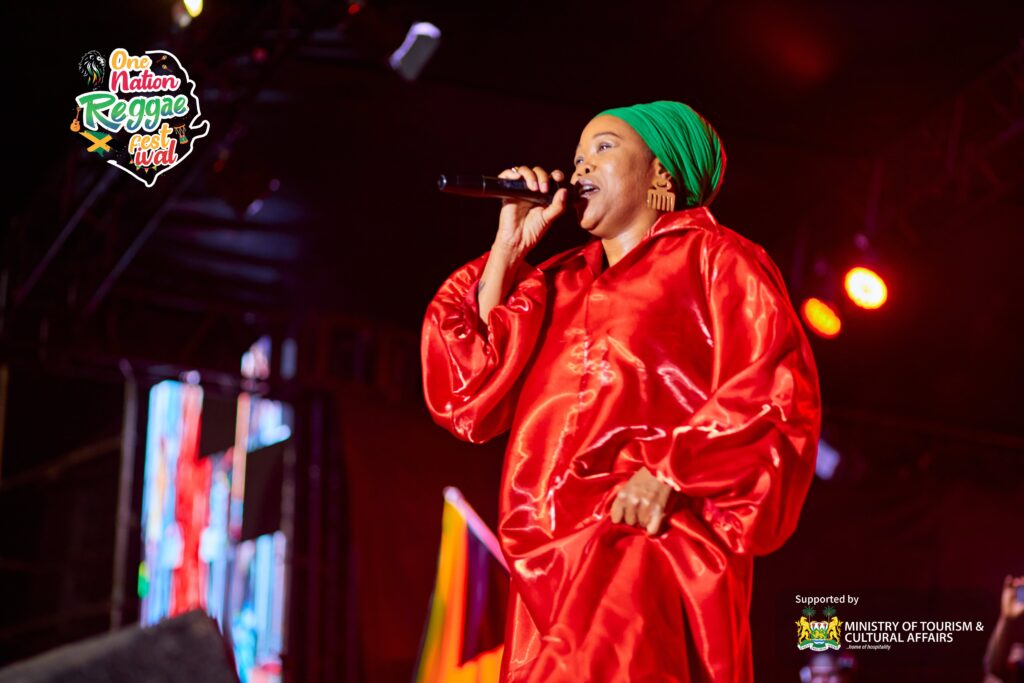
Queen Ifrica’s appearance at the One Nation Reggae Festival carries particular significance because she is returning to a festival where she performed during its inaugural edition in November 2025.
The National Tourist Board of Sierra Leone included her among the international artists who performed at the festival’s headline concert in Freetown. Her scheduled participation in the 2026 edition will therefore bring her back to an event that is building its identity around the cultural connections between Sierra Leone and the Caribbean.
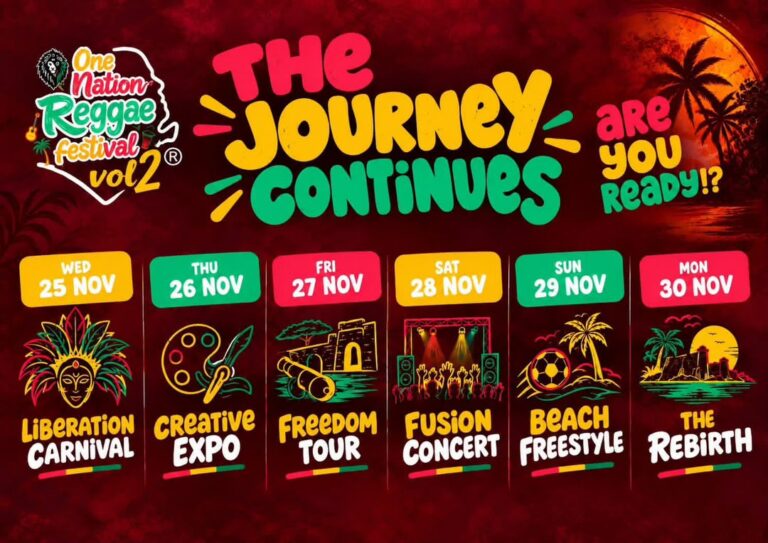
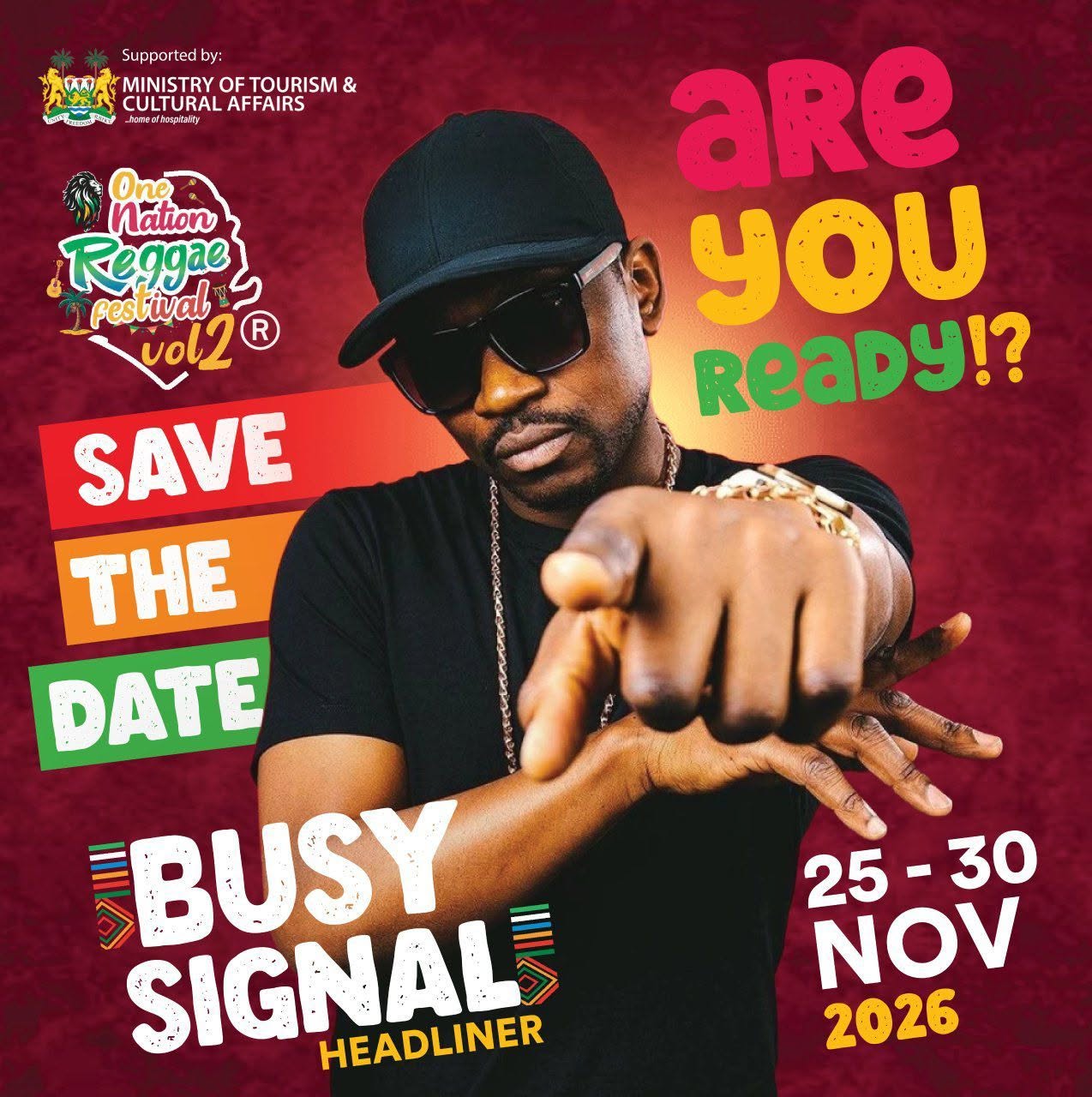
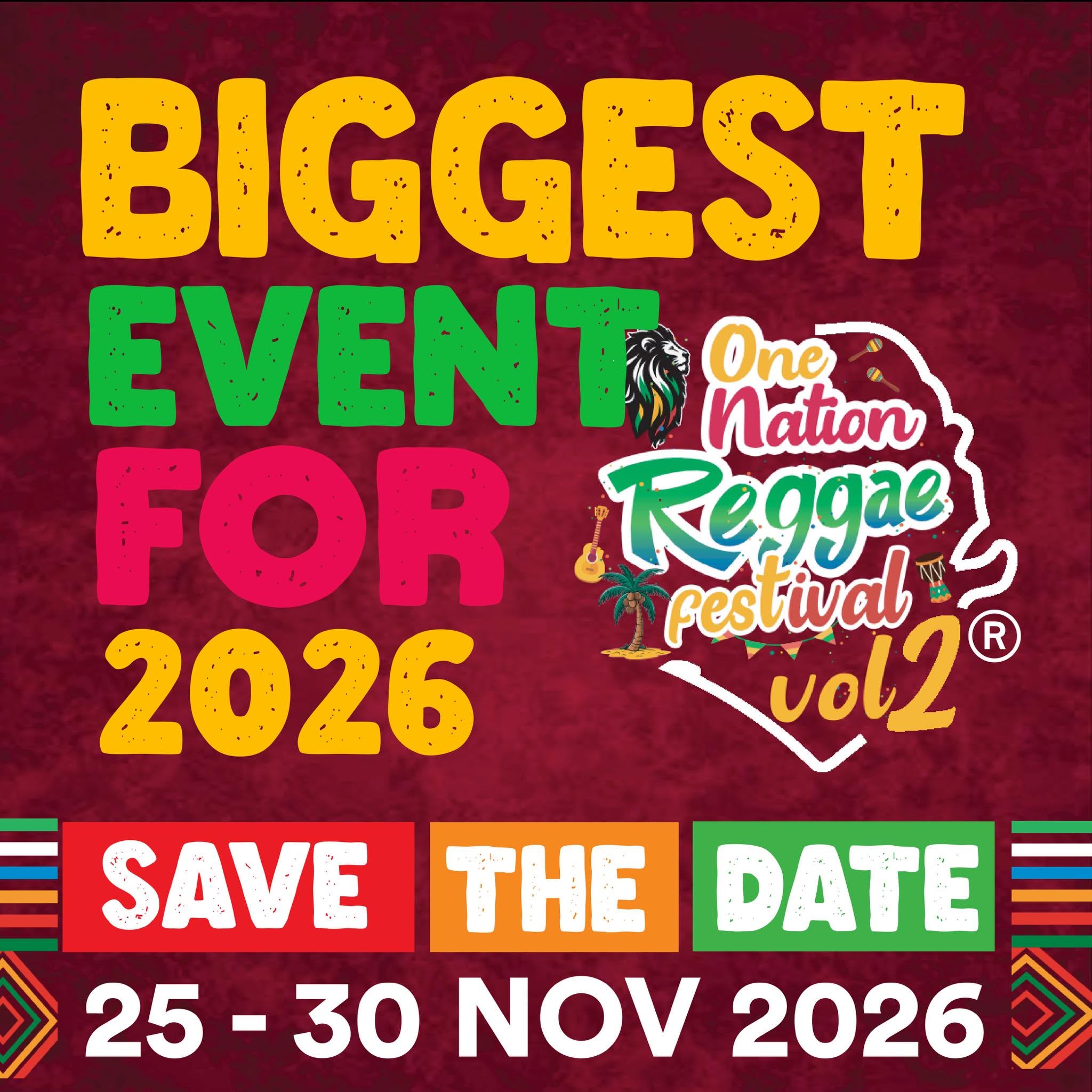
The second edition of the festival is scheduled for 25 to 30 November 2026. According to Sierra Leone’s Ministry of Tourism and Cultural Affairs, the programme will feature musical performances, cultural showcases, educational forums and community activities designed to promote cultural preservation, youth empowerment, diaspora engagement and sustainable tourism.
Queen Ifrica’s involvement extends beyond the main stage. She is a production partner for the festival’s dance sessions, an initiative that brings dance into the wider celebration of reggae, cultural heritage and artistic exchange. Her participation reflects the importance of dance as a cultural language through which people communicate identity, preserve traditions and express shared experiences across generations.
Dance has long played an important role in Jamaican music and culture, from the movements associated with reggae and dancehall to the community traditions that surround musical performances. In Sierra Leone, dance likewise provides a powerful means of expressing cultural identity, passing down traditions and bringing communities together.
By supporting the festival’s dance sessions, Queen Ifrica is helping connect these forms of expression within a programme that celebrates the cultural relationship between Africa and the Caribbean.
Empowering young people through creativity and cultural heritage
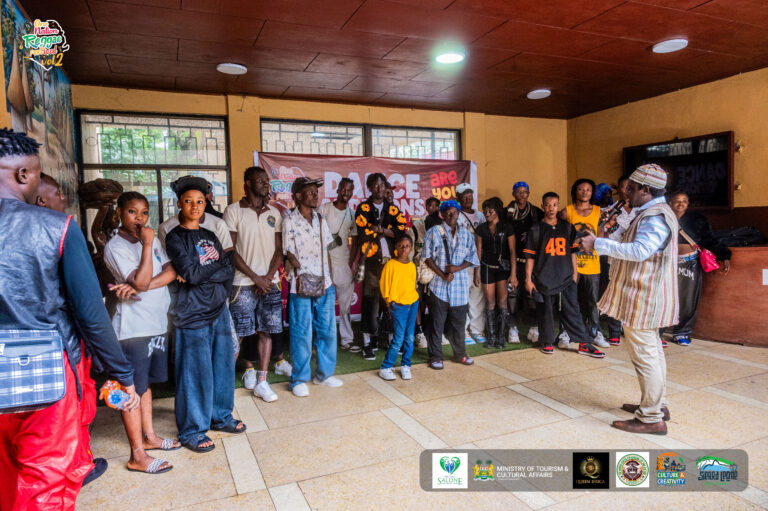
Queen Ifrica and her foundation are also partners in the Road to One Nation Reggae Festival National Youth Creativity Showcase, an initiative that encourages young, talented people to preserve cultural heritage and communicate shared cultures through dance.
The showcase creates a platform for young people to express their creativity while engaging with the traditions, stories and artistic practices that connect communities. Its focus on dance recognises that cultural heritage is not preserved through documentation alone. It is also kept alive when younger generations learn, practise, reinterpret and share the artistic traditions passed down to them.
The partnership also reflects themes that run through Queen Ifrica’s music and public identity: community responsibility, cultural consciousness and the importance of giving people opportunities to express themselves.
For young participants, the showcase offers an opportunity to demonstrate their talents while exploring the cultural connections between Sierra Leone and the Caribbean. Through dance, they can communicate stories and traditions that may differ in form but share important themes of identity, belonging, history and collective experience.
The initiative adds a youth-centred dimension to the festival’s wider mission. While international performances bring established artists to Freetown, programmes such as the National Youth Creativity Showcase help create space for local talent and encourage the next generation to take an active role in preserving and celebrating their heritage.
Queen Ifrica’s involvement in both the dance sessions and the youth showcase therefore connects her artistic career with a broader effort to make cultural exchange participatory, ensuring that young people are not simply spectators but contributors to the preservation and development of their cultural traditions.
More than music, a voice for reflection
Queen Ifrica has spent decades developing a musical identity rooted in conscious reggae, expressive storytelling and social commentary. From her early performances in Montego Bay to international festival stages, her career demonstrates the enduring place of artists who use music to entertain while also communicating ideas.
Her return to Freetown for the One Nation Reggae Festival 2026 brings these values into a wider celebration of music, heritage and cultural exchange between Africa and the Caribbean. Her involvement in the dance sessions and the Road to One Nation Reggae Festival National Youth Creativity Showcase also highlights how the festival is extending its reach beyond performances to include youth empowerment, artistic participation and cultural preservation.
When Queen Ifrica returns to Freetown in November, audiences will have an opportunity to reconnect with an artist whose work brings together Jamaican musical traditions, personal storytelling and social consciousness. Her contribution to the festival’s wider programme also underscores the role artists can play in encouraging young people to value their heritage and use creativity to communicate across cultures.
Queen Ifrica is among the international artists listed for the One Nation Reggae Festival 2026, scheduled for 25 to 30 November in Freetown, Sierra Leone.
Follow the One Nation Reggae Festival website for more profiles in our Meet the Stars series as we introduce the artists scheduled to perform at this year’s event.